 GameWave
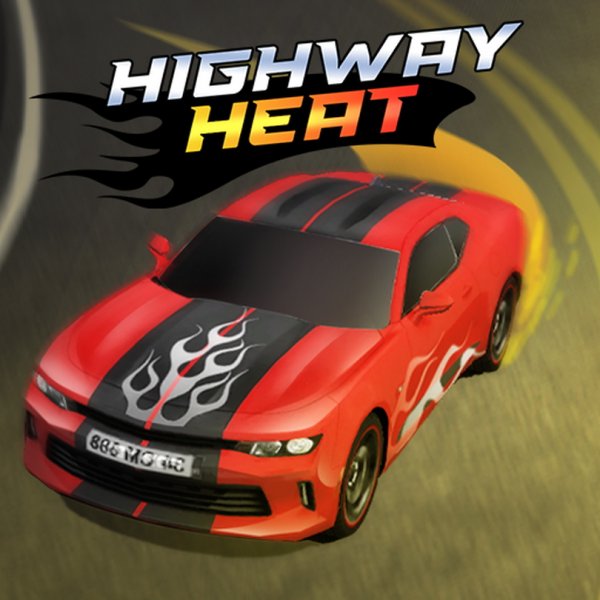
Highway Rush Racing Adventure keeps its scope tight: dodge traffic, finish missions, earn coins, improve your car. The four environments and multiple modes add enough variety to justify repeat sessions, and the upgrade system gives runs a sense of forward progress. Players who want readable, reflex-driven arcade driving rather than simulation depth will get the most from it. The collision-ends-run rule in scoring modes may frustrate those expecting a forgiving experience.
Highway Rush Racing Adventure puts you behind the wheel with one immediate job: keep moving through traffic without hitting another vehicle. In scoring modes, a single collision ends the run, so every lane change and speed adjustment carries weight. Keyboard controls handle steering, acceleration, and braking, which keeps the input simple while the traffic patterns supply the difficulty. The game supports both one-way and two-way traffic challenges, and the two-way variant demands more forward planning because oncoming vehicles close gaps faster than you might expect.
The game ships with four distinct settings: Village, Winter, Desert, and City. Each one changes road layout and driving conditions, so habits built in one environment do not transfer cleanly to the next. [IMG_0] Learning a new map means memorizing where lanes narrow, where traffic clusters, and where hazards appear. That variety is the main reason the game holds up across quick sessions and longer play periods, since switching environments resets your assumptions rather than letting you coast on muscle memory.
Beyond standard traffic runs, the game includes time-based speed runs and a free exploration mode. Time attack rewards clean, fast lines, while free ride lets you study a map without the pressure of a scoring run. Missions and races pay out points and in-game currency, and that currency feeds directly into upgrades for speed, acceleration, and handling. Unlockable cars offer different visual designs and performance stats, so the garage becomes a second layer of decision-making: do you buy a new car or push your current one further?
Holding a steady speed beats constant acceleration and braking, because traffic moves in patterns you can read once you stop reacting to every vehicle individually. Save any slowdown mechanic for tight spaces rather than using it as a default. Missions pay coins faster than casual runs, so clearing them early accelerates your upgrade path. Practicing each environment separately will sharpen your reflexes more than jumping between maps.
Sign in to comment
You must be logged in before posting a review or rating.
No comments yet. Be the first to comment!







Editorial Notes