 GameWave

Balance Course Arcade Game strips the arcade formula down to one core interaction: tilt the course, roll the ball, don't fall. Seesaws, elevators, and low-gravity zones add genuine variety without complicating the controls. Five lives per level and checkpoints keep frustration low, while gemstone collection and cosmetic skins give completionists a reason to explore. It suits players who enjoy methodical skill games and short sessions. The main limitation is that the experience is entirely single-player and cosmetic progression only, so those seeking competitive or narrative depth may find it narrow.
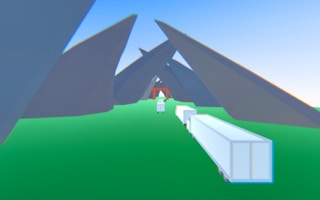
Balance Course Arcade Game is a 3D arcade title built around one continuous action: tilting the course itself to move a rolling ball forward. Mouse or touch input controls the tilt, so every adjustment is direct and immediate. The ball never accelerates on its own; momentum comes entirely from your input. This makes precision the central skill, not speed. Narrow paths punish overcorrection, and the ball's position on screen constantly communicates whether your current angle is safe or risky.
Each level introduces obstacles that change how you read the course. Seesaws tip when the ball's weight shifts, so crossing them requires steady, deliberate movement rather than a quick dash. Elevators introduce vertical timing: you must position the ball and wait for the platform to align before committing. Later sections reduce gravity, which alters how the ball responds to tilting and forces you to recalibrate your sense of control. A camera button lets you rotate the view, which helps preview upcoming hazards before you reach them.
Falling off the course costs one of five lives per level, and you restart from the last checkpoint. That structure keeps failure low-stakes while still encouraging careful play. Gemstones scattered along each route serve as optional collectibles; gathering them unlocks new ball skins in the shop. The skins are cosmetic, so collection is a personal goal rather than a power advantage. Together, lives and gems create two parallel incentives: survive the course, and explore it thoroughly.
The difficulty curve rises gradually, making the game approachable for players who prefer steady improvement over sudden spikes. Short levels suit brief sessions, while the five-life buffer supports longer practice runs. Anyone who enjoys precision platforming, puzzle-like route planning, or hypercasual arcade games with a skill ceiling will find the structure familiar and focused.
Sign in to comment
You must be logged in before posting a review or rating.
No comments yet. Be the first to comment!








Editorial Notes