 GameWave

Math Parkour Runner 3D succeeds at combining two usually separate tasks: multiplication recall and timing-based platforming. The checkpoint system makes math the gate for progress, so players who struggle with quick recall will feel the pressure. The water-themed obstacles and 100 checkpoints provide a clear difficulty curve, while coins and skins offer a secondary goal. It is best suited to learners who want math practice wrapped in an active runner, not to players seeking pure parkour without academic content.
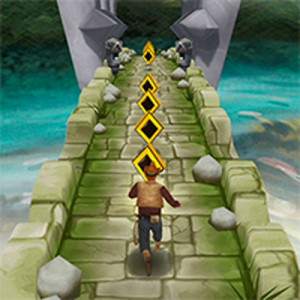
Math Parkour Runner 3D asks you to run, jump, and solve multiplication questions in a single continuous course. Each checkpoint presents a problem with multiple answer choices. You must land on the correct answer to pass; a wrong choice drops your character into water and sends you back to the last checkpoint. This design means multiplication speed directly affects your momentum—hesitate and you lose the flow of the run.
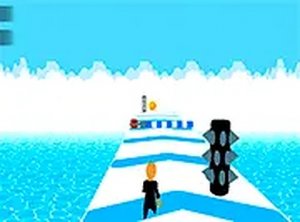
The course is built around a water setting with moving bridges, elevators, blocks, walls, fences, beams, tunnels, and falling objects. These obstacles test timing and reflexes, not just math knowledge. You need to read the movement pattern of each obstacle before committing to a jump, then combine that read with the answer choice at the checkpoint. The 100 checkpoints increase in difficulty, so later sections demand both faster multiplication recall and tighter platforming.
Coins appear along the route and serve one clear purpose: spending them in the shop to unlock new character skins. Skins are cosmetic, but they give a visible reward for repeated runs. Multiple rooms can also be unlocked for extended play. Because wrong answers force a restart from the last checkpoint, collecting coins and progressing go hand in hand—the further you get, the more opportunities you have to earn currency.
The game is designed for touch controls on mobile and tablet devices. Running is automatic, so your input is focused on jumping and choosing answers. This keeps the control scheme simple enough for short sessions, but the checkpoint math still requires attention. If you want to improve, practice multiplication tables away from the screen, then apply that speed in the run.
Sign in to comment
You must be logged in before posting a review or rating.
No comments yet. Be the first to comment!




Editorial Notes