 GameWave

Rolling Fun Parkour Arcade is a lighthearted 3D arcade game built around a single, approachable mechanic: rolling a round character through themed levels while collecting food and gems. Its strengths are its immediate accessibility, varied scenery, and gradual difficulty curve. The lack of complex controls makes it easy to start, but later levels still demand timing and route memory. It is best suited to casual players, younger audiences, and anyone looking for a low-pressure score-chasing game. The main limitation is that the input describes no multiplayer or narrative depth, so players seeking those features should look elsewhere.
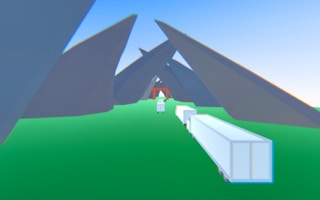
Rolling Fun Parkour Arcade puts you in control of a round, cheerful character that rolls rather than runs. Each level has its own theme, moving from sunny fields to busy city streets. The visual variety is not just cosmetic; different settings introduce new obstacle layouts and timing challenges. Because the character rolls, momentum and path selection matter more than sudden direction changes. You tap or click to move forward, so the core loop is simple: keep rolling, stay on a safe path, and react to what appears ahead.
Food items and sparkling gems are the main score boosters. Collecting them is optional in the sense that you can finish a level without grabbing everything, but doing so increases your final score and gives you a reason to replay stages. The placement of these collectibles often encourages you to take slightly riskier routes or time your movement more precisely. Special items appear occasionally and provide temporary advantages, such as score boosts. Knowing when to chase a gem and when to play it safe is a small but meaningful decision that shapes each run.
Obstacles and pitfalls can slow you down or end a run entirely. Early levels are forgiving, but complexity builds gradually. Later stages demand quicker reflexes and better anticipation of what is coming next. The game tracks your progress and encourages you to beat your previous best scores, which gives each attempt a clear purpose beyond simply reaching the end. Because there is no combat or violent content, the challenge comes from timing, route memory, and staying calm under mild pressure.
The controls are intentionally minimal: tap or click to roll forward. This works on touchscreens and computers, so the game is easy to pick up in short sessions. The lack of complex inputs means your attention stays on the level itself rather than on learning button combinations. That said, the simple control scheme does not make the game mindless. As levels grow more complex, the same one-input system produces a satisfying difficulty curve that rewards practice and pattern recognition.
Sign in to comment
You must be logged in before posting a review or rating.
No comments yet. Be the first to comment!








Editorial Notes