 GameWave
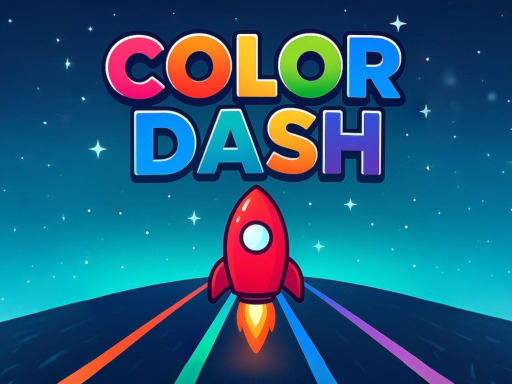
Color Reflex: Quick Match strips the arcade formula down to one repeated decision: match the object's color to the next barrier or lose. That simplicity makes it accessible, but the accelerating speed and random color changes keep it from feeling trivial. Shields and speed boosts introduce a small strategic layer by letting you trade safety for score. It suits players who enjoy short, score-chasing sessions and want a game that rewards sharp focus rather than long commitments.
Color Reflex: Quick Match builds its entire challenge around one decision: does the moving object's color match the next barrier? If yes, you pass through safely. If no, the run ends immediately. The object changes color at random intervals, so you cannot rely on a fixed rhythm. You must watch both the object and the approaching barrier, then tap or click to change the object's color before contact. Visual cues signal when a color change is coming, giving observant players a small but meaningful window to react.
The game speeds up as you progress, shrinking the time between seeing a barrier and committing to a color change. Early barriers are forgiving; later ones demand faster recognition and cleaner timing. Because there is no set end point, every run continues until you make a mistake. That structure turns each session into a direct test of reaction speed and focus rather than memorization. The high score tracker gives you a concrete target to chase across attempts.
Shields and speed boosts appear during play, and each changes how you approach a run. A shield absorbs one mistake, effectively extending your margin for error. A speed boost raises your pace and score but compresses your reaction window, so using one is a calculated risk. Deciding when to grab a boost versus playing safe is the closest thing to strategy in an otherwise reflex-driven game.
Runs are designed to be short, which makes the game easy to start and easy to stop. Simple one-tap controls mean new players can begin without a tutorial, while the accelerating difficulty gives experienced players something to push against. Bright, colorful visuals keep barriers and object colors distinct, which matters when split-second recognition is the core skill. There is no story or setup screen to work through, so the gap between opening the game and playing is minimal.
Sign in to comment
You must be logged in before posting a review or rating.
No comments yet. Be the first to comment!





Editorial Notes