 GameWave
GameWave
GameWave
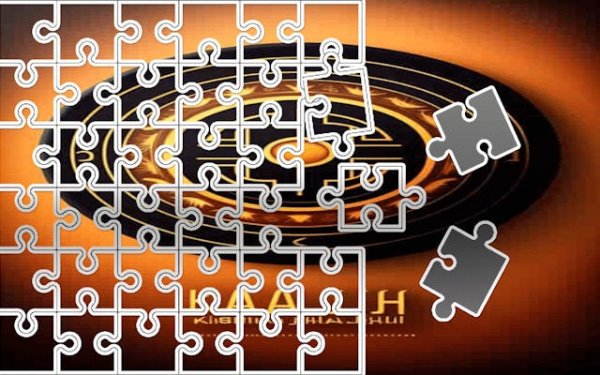
Tile Art Reconstruction takes the classic sliding puzzle formula and gives it a fresh, artistic coat. The calligraphy-inspired images are genuinely pleasant to look at, and the clean interface keeps distractions to a minimum. The adjustable grid sizes provide a good range of difficulty, from quick brain teasers to more involved challenges. The lack of timers and ads makes it a stress-free experience that respects the player's time. It is an ideal choice for anyone looking for a quiet mental exercise that also offers visual satisfaction.
At its heart, Tile Art Reconstruction is a classic sliding puzzle experience. Players are presented with a grid of tiles that have been mixed up, leaving one empty slot. The objective is to slide adjacent tiles into that empty space, gradually restoring the original picture. This simple yet engaging mechanic has been a favorite for generations, and here it is paired with visually appealing calligraphy-style artwork. The game rewards careful planning and spatial awareness, as each move affects the overall layout. There are no hidden rules or complex systems to learn, making it accessible to anyone who enjoys a thoughtful challenge.
The artwork in Tile Art Reconstruction draws inspiration from traditional calligraphy, featuring flowing lines and balanced compositions. Each puzzle image is carefully chosen to provide a satisfying visual reward upon completion. The interface is clean and uncluttered, allowing the art to take center stage. Soft colors and gentle transitions contribute to a calm atmosphere, reinforcing the game's focus on relaxation rather than competition. Players can appreciate the aesthetic quality of each piece as they work through the puzzle, making the process as enjoyable as the result.
The game offers multiple puzzle images, each with different grid sizes to adjust the level of challenge. Smaller grids are ideal for quick sessions or beginners, while larger grids require more patience and strategic thinking. This structure allows players to gradually build their skills without feeling overwhelmed. Since there is no time limit, everyone can progress at their own pace. The variety of images also keeps the experience fresh, encouraging players to return and try new puzzles. Move tracking is available for those who want to monitor their efficiency, but it is never forced upon the player.
Controls are designed to be intuitive across different devices. On touchscreens, a simple tap on a tile adjacent to the empty space will slide it into position. Desktop users can click with equal ease. The responsive feedback ensures that each move feels immediate and satisfying. This straightforward input method means that players of all ages and technical skill levels can pick up the game without any instruction. The lack of complex menus or settings further streamlines the experience, letting players focus entirely on the puzzle at hand.
While the game is relaxing, there is room for developing effective strategies. Many players find success by focusing on completing one row or column at a time, typically starting from the top or left edge. This method breaks down the larger task into manageable steps. Planning several moves ahead can help avoid situations where a tile gets stuck in an inconvenient position. Over time, players naturally improve their spatial reasoning and move efficiency. The absence of pressure allows for experimentation, making each puzzle a personal learning experience.


Player Comments
Sign in to comment
You must be logged in before posting a review or rating.
No account? Create one
No comments yet. Be the first to comment!