 GameWave
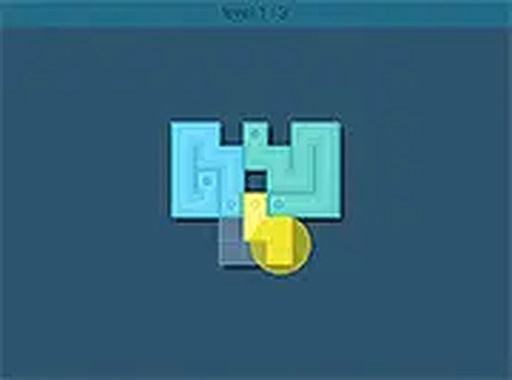
Block Fit Challenge focuses on a single clear task: fill each outlined shape with colorful blocks without gaps or overlaps. The absence of time limits makes it approachable for children and anyone who prefers unhurried play. Difficulty rises gradually through more intricate outlines, and the handcrafted levels feel intentional rather than random. The main limitation is that the input does not describe additional modes or features beyond the core puzzle progression.
Every level in Block Fit Challenge gives you a specific outline and a set of colorful blocks. The task is to fill that outline completely, leaving no gaps and creating no overlaps. Because the blocks vary in shape and size, success depends on observing the outline carefully and planning where each piece should go before you start dragging. The feedback is immediate: a piece either fits or it doesn't, and the outline gradually fills as you make correct placements.
Early puzzles use small, simple outlines that can be completed in a short time. They serve as a gentle introduction to the drag-and-place controls and help you build familiarity with how different block shapes behave. Later outlines become more intricate, requiring closer attention to detail and more creative thinking about how pieces can be arranged. The progression is designed so that each level remains solvable, keeping frustration low while still offering a meaningful challenge for experienced puzzle players.
On a computer, you click and drag blocks with the mouse. On a touchscreen, you tap and drag with a finger. The interface stays clean and uncluttered, with bright, distinct colors that make each block easy to tell apart. The responsive design means the game works across different screen sizes, from desktop monitors to small phone displays, without changing how the puzzle itself plays.
There are no time limits, no countdowns, and no speed-based scoring. You can take as long as you need on any puzzle. That relaxed pacing makes the game suitable for young children and for anyone who prefers a calm, thoughtful approach. Regular play can help strengthen pattern recognition, logical reasoning, and visual-spatial skills, because you are constantly visualizing how pieces fit together and adjusting your strategy when a block doesn't go where you expected.
Sign in to comment
You must be logged in before posting a review or rating.
No comments yet. Be the first to comment!











Editorial Notes