 GameWave

Lava Dash works because its central pressure — lava that never stops rising — turns every item run into a calculated gamble. The speed-versus-defense upgrade choice gives the hypercasual format more decision-making than most runners. Short rounds and mobile-friendly controls suit quick play, and the multiplayer presence adds unpredictability. The input does not detail item variety, map count, or monetization, so those remain open questions for new players.
Lava Dash drops players into a 3D map where the floor is not safe for long. The lava level climbs continuously, so every trip away from base carries a ticking clock. You start at your base, sprint toward designated item zones, grab a collectible, and turn around before the lava reaches you. Getting caught means losing the item and being sent back to base empty-handed. That single pressure — the map is always shrinking from below — shapes every route you take and every second you spend deciding whether to push for one more item or retreat.
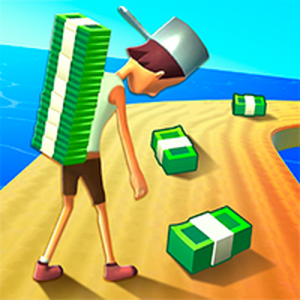
The loop is simple but not mindless. Items only count once they are dropped into an empty slot at your base. That means a successful run is not just about reaching the item zone; it is about completing the round trip. You can carry one item at a time, so the decision to grab a nearby collectible versus a farther, possibly more valuable one matters. Currency earned from delivered items feeds directly back into your next run, creating a progression cycle where better gear and faster movement open up riskier, more rewarding routes.
Shops near the item areas sell speed upgrades, which are the most direct way to outrun lava and other players. Defensive gear is the second half of the equation: it protects your base from players who might try to take what you have stored. This creates a genuine strategic fork. Spend early currency on speed and you collect faster but leave your base exposed. Spend on defense and you protect your stash but move slower than rivals. There is no single correct build, and the choice changes how you approach each session.
Other players are visible in real time, and their presence matters. You can focus on collecting, or you can focus on protecting what you have already gathered. Avatar skins let you customize your character, and leaderboards track server rankings so you can see where you stand. Because rounds are short and controls are simple, the game suits quick sessions on mobile or tablet. The management layer — organizing collected items at base and deciding which upgrades to prioritize — gives the hypercasual format a bit more depth than pure running games.
Sign in to comment
You must be logged in before posting a review or rating.
No comments yet. Be the first to comment!









Editorial Notes