 GameWave
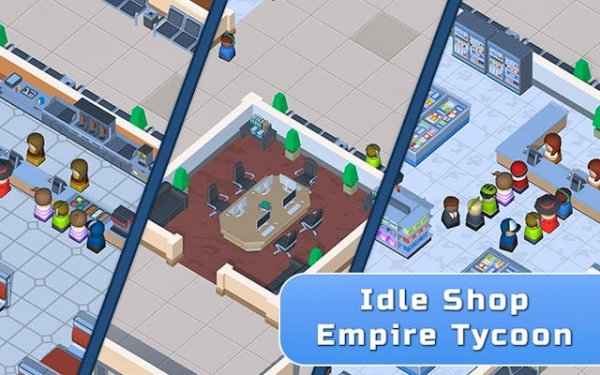
Mall Empire Tycoon Simulator combines idle income with active management decisions. Its strength lies in the balance between offline earnings and the need to monitor customer satisfaction, staff, and upgrades. The game suits players who prefer planning over fast action. However, those seeking deep narrative or complex simulation may find the loop repetitive. The inclusion of achievements and leaderboards adds optional competitive goals.
In Mall Empire Tycoon Simulator, you begin with a single mall and a clear objective: turn it into a thriving retail empire. The core loop involves selecting store types from a build menu, placing them in available slots, and watching them serve customers over time. Each store fills a progress bar as it operates, and tapping that bar speeds up service, earning coins faster. These coins fund upgrades that increase a store's earning rate and capacity, creating a steady cycle of reinvestment and growth.
What sets this game apart is its blend of idle mechanics with strategic decision-making. Your mall continues to generate income even when you are not actively playing, so checking in periodically to collect earnings becomes a key habit. However, idle income alone won't maximize your profits. You need to balance spending between new stores, upgrades, and staff salaries. Hiring staff—such as janitors and security—helps maintain the property and keeps customers satisfied. Neglecting maintenance or overspending on expansion can slow your progress.
Customer satisfaction directly impacts your revenue. A stats panel lets you monitor how happy shoppers are, and unhappy customers reduce earnings. To keep them content, you must maintain the mall, upgrade stores, and ensure enough staff. Expanding by purchasing adjacent land opens new slots for additional stores, but each expansion requires careful budgeting. The game also offers visual customization of mall interiors and exteriors, allowing you to shape the look of your growing empire.
Success in Mall Empire Tycoon Simulator comes from prioritizing reinvestment over rapid expansion. Upgrading existing stores often yields better returns than constantly adding new ones, especially early on. Unlocking stores with higher earning potential and keeping an eye on customer feedback will guide your decisions. The game includes achievements and leaderboards for competitive players, and regular events may offer bonus rewards. With its relaxing pace and focus on planning, it appeals to players who enjoy gradual growth and economic strategy.
Sign in to comment
You must be logged in before posting a review or rating.
No comments yet. Be the first to comment!











Editorial Notes