 GameWave
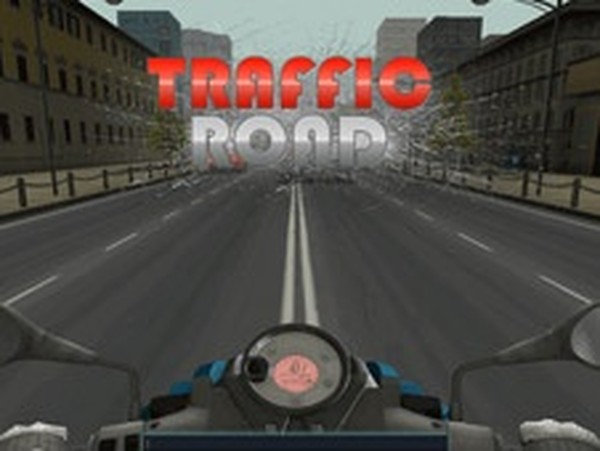
Traffic Road Motorcycle Simulator targets players who enjoy precision driving rather than arcade stunts. The first-person view and four distinct modes give it clear structure: Career and Time Trial reward route knowledge, Endless rewards survival, and Free Ride removes pressure entirely. The garage upgrade system, covering power, handling, and braking, gives rewards a purpose beyond score. Its mobile-first design and family-friendly content make it accessible, though players seeking complex physics or multiplayer competition will find the scope limited.
Traffic Road Motorcycle Simulator places the camera behind the handlebars, so the road, mirrors, and surrounding vehicles stay in view. That perspective matters because judging distance and closing speed becomes part of the challenge. You steer, accelerate, and brake to weave through moving traffic without colliding. The game runs on phones and tablets with on-screen controls, and keyboard input is supported where available.
Each mode changes what counts as success. Career Mode asks you to reach a finish line before time runs out. Endless Mode removes the finish line and measures how far you can travel before a crash ends the run. Time Trial Mode is a straight race against the clock. Free Ride Mode drops objectives entirely, which makes it the natural place to practice lane changes and braking without consequences.
Rewards accumulate from any mode, so progress does not depend on picking one style of play. Currency earned on the road can be spent in the garage on new motorcycles or on performance upgrades covering power, handling, and braking. Visual customization lets you change how the bike looks. Handling upgrades tend to matter most in dense traffic, since quicker steering helps you slip through gaps that a heavier bike would miss.
Traffic patterns reward patience more than aggression. Maintaining a steady speed and avoiding sudden lane changes keeps you predictable, while braking early before tight gaps prevents the rear-end collisions that end most runs. Looking left and right before merging, and using the horn to alert nearby drivers, are small habits that reduce surprises. In Career and Time Trial modes, learning where traffic clusters form helps you plan the fastest line rather than reacting late.
Sign in to comment
You must be logged in before posting a review or rating.
No comments yet. Be the first to comment!









Editorial Notes