 GameWave
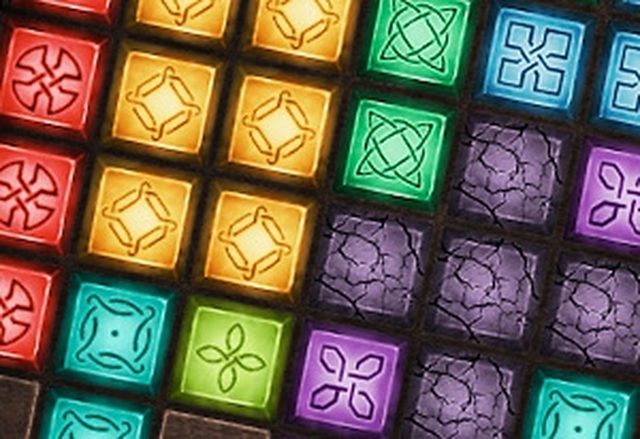
Block Stack Puzzle Quest sticks to a proven falling-block structure but distinguishes itself by allowing both horizontal and vertical line clears, which gives players more ways to manage a crowded board. The gradual speed increase creates a natural learning curve, and browser-based play makes it easy to start a short session. It suits casual players who want quick logic puzzles and experienced players who enjoy score chasing. The main limitation is that the input does not detail specific modes, so variety may depend on how the phases and scenarios are implemented.
Block Stack Puzzle Quest builds its challenge around a single clear rule: arrange falling block shapes so they form a full horizontal or vertical line. Complete a line and it disappears, awarding points and freeing space. That dual-axis requirement separates the game from standard horizontal-only stackers, because a vertical clear can be just as valuable as a horizontal one. Players rotate and move each piece into position, weighing immediate clears against the shape of the remaining stack.
The game opens at a slower speed, giving newcomers room to learn piece shapes and controls before pressure builds. As play continues, blocks descend faster, and the board fills with arrangements that demand quicker decisions. This gradual acceleration acts as a built-in learning curve: early rounds teach rotation and placement, while later rounds test whether those habits hold up when there is less time to think. The game ends when no space remains for a new piece.
Players use keyboard or mouse inputs to move and rotate falling blocks, and a pause option allows a break or a moment to reconsider strategy. The controls are built for fast, browser-based play, and the game runs directly in a web browser without downloads or additional software. That makes it practical for short sessions, while the increasing difficulty and score chasing support longer attempts. A next-piece preview, when present, helps players plan the placement of the current block around what is coming next.
Objectives become more demanding over time, and different phases and scenarios are intended to keep repeated sessions from feeling identical. Customization options let players adjust the experience to their preference, and a reward structure encourages completing goals and beating personal records. The result is a puzzle game that respects the classic falling-block formula while adding its own pacing and scenario variety.
Sign in to comment
You must be logged in before posting a review or rating.
No comments yet. Be the first to comment!







Editorial Notes