 GameWave
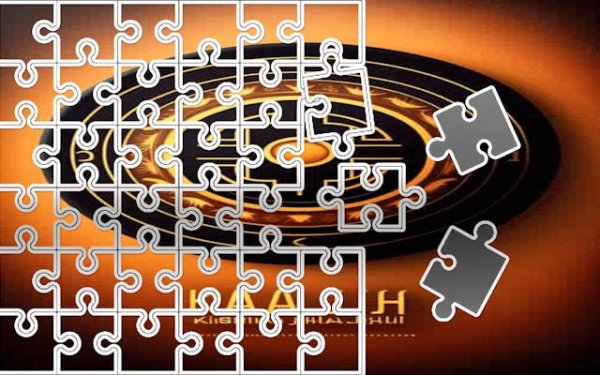
Tile Art Reconstruction delivers a familiar sliding puzzle experience with a specific aesthetic focus: calligraphy-style artwork that rewards completion with visual satisfaction. The absence of time limits and the range of grid sizes make it approachable for beginners while still offering depth for players who enjoy spatial reasoning. Move tracking adds optional efficiency feedback. The game suits anyone seeking a low-pressure puzzle that values careful planning over speed.
Tile Art Reconstruction uses the classic sliding puzzle mechanic: a grid of scrambled tiles with one empty slot. Players slide adjacent tiles into that gap, gradually reassembling the original picture. Every move reshuffles the board's layout, so each decision affects what positions become reachable next. The rules are immediately clear—no hidden systems, no complex tutorials. Success depends on planning ahead and recognizing how a single slide can open or close future options.
The images draw from traditional calligraphy, with flowing lines and balanced compositions. Each completed puzzle serves as its own visual reward. The interface stays clean and uncluttered, letting the artwork dominate the screen. Soft colors and gentle transitions reinforce a calm tone, positioning the game as a relaxation activity rather than a competitive challenge. Players can appreciate the aesthetic quality of each piece while working through the puzzle, making the process itself part of the appeal.
Multiple puzzle images are available, each offering different grid sizes that adjust the challenge. Smaller grids suit quick sessions or beginners, while larger grids demand more patience and strategic thinking. This range lets players build spatial reasoning skills gradually without feeling overwhelmed. No time limit applies to any puzzle, so everyone can progress at their own pace. Move tracking is available for players who want to monitor their efficiency, but it remains optional and never forced.
Controls work intuitively across devices. On touchscreens, tapping a tile adjacent to the empty space slides it into position; desktop users click with equal ease. Responsive feedback makes each move feel immediate. While the game is relaxing, effective strategies exist. Many players complete one row or column at a time, often starting from the top or left edge. Planning several moves ahead helps avoid situations where a tile becomes stuck in an inconvenient position. The absence of pressure allows for experimentation, turning each puzzle into a personal learning experience.
Sign in to comment
You must be logged in before posting a review or rating.
No comments yet. Be the first to comment!








Editorial Notes