 GameWave
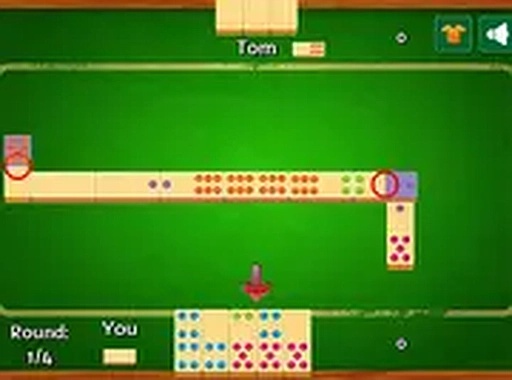
Tile Matching Strategy: Domino Edition takes the familiar domino chain and turns it into a turn-based contest of hand management. The rules are simple enough to learn in under a minute, but tracking played tiles and closing off your opponent's numbers gives experienced players room to improve. Rounds of five to fifteen minutes, an adaptive computer opponent, and a clean board that works on desktop and mobile make it a comfortable fit for short sessions. The reserve pile keeps rounds from repeating, though players seeking deep narrative or multiplayer competition will find the scope deliberately narrow.
Each turn, you place a tile from your hand onto one of two open ends of a growing domino chain. A tile is legal only when one of its two numbers matches the number currently exposed at that end. If neither end accepts any tile in your hand, you draw from the reserve pile. The round ends when a player empties their hand or when no legal moves remain for anyone. That single constraint—match or draw—drives every decision.
Winning depends less on luck than on what you keep. A hand with a spread of numbers gives you more legal plays across both ends. Tracking which tiles have already appeared lets you estimate what your opponent still holds, and you can use that read to close off the numbers they need. Forcing draws is the central tactic: the more tiles your opponent must pick up, the more options you preserve for yourself. The computer opponent adjusts its style between matches, so the same board position does not always produce the same response.
Tiles are shown with large numerals on a clean board, and tapping or clicking selects a tile while valid placement spots are highlighted. The layout adapts to desktop and mobile screens, and a full-screen mode strips away surrounding interface elements. Rounds generally run five to fifteen minutes, and the game needs no fast connection or quick reflexes, so it fits short breaks. New players can pick up the rules in under a minute, while the computer opponent stays competitive without becoming punishing.
The reserve pile introduces randomness that changes the shape of every round. Because the game logs your win-loss record, there is a running measure of whether your hand-management decisions are improving. Each session creates positions you have not seen before, which keeps the mix of planning and chance from settling into a pattern.
Sign in to comment
You must be logged in before posting a review or rating.
No comments yet. Be the first to comment!












Editorial Notes